
Rovince
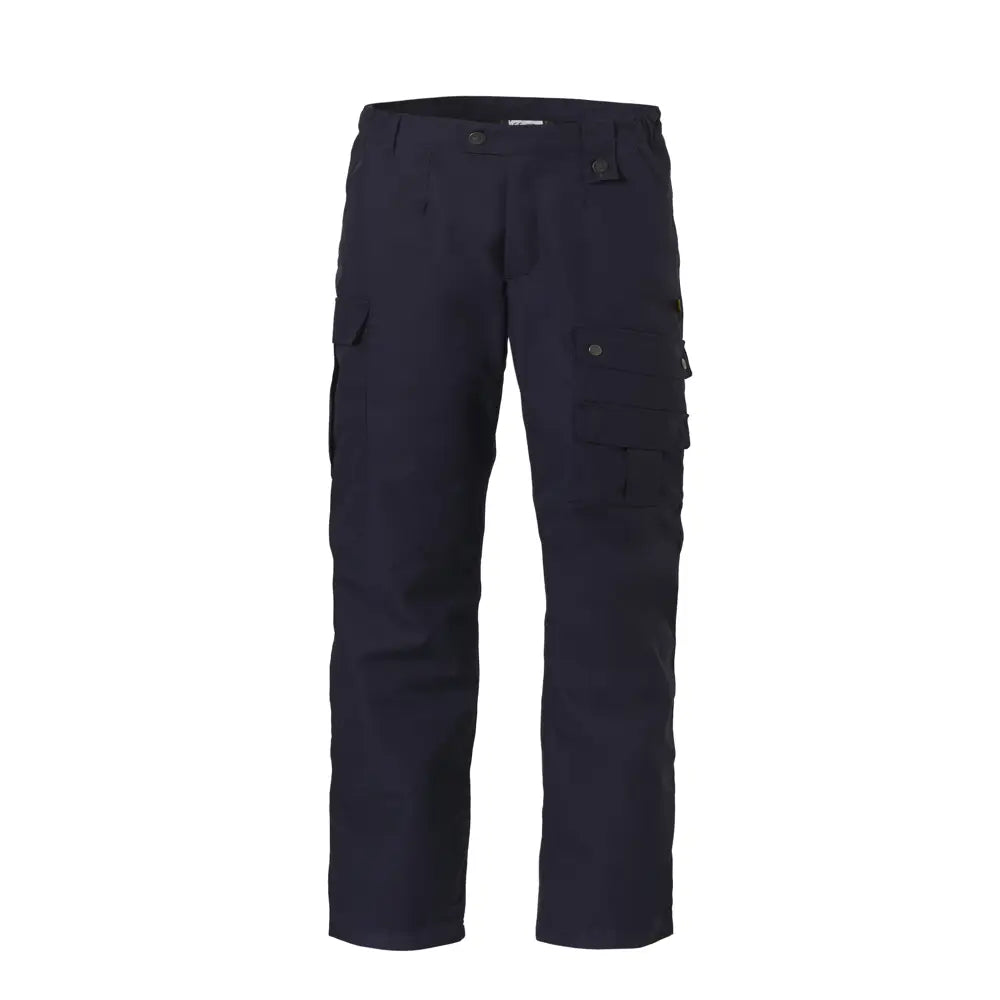
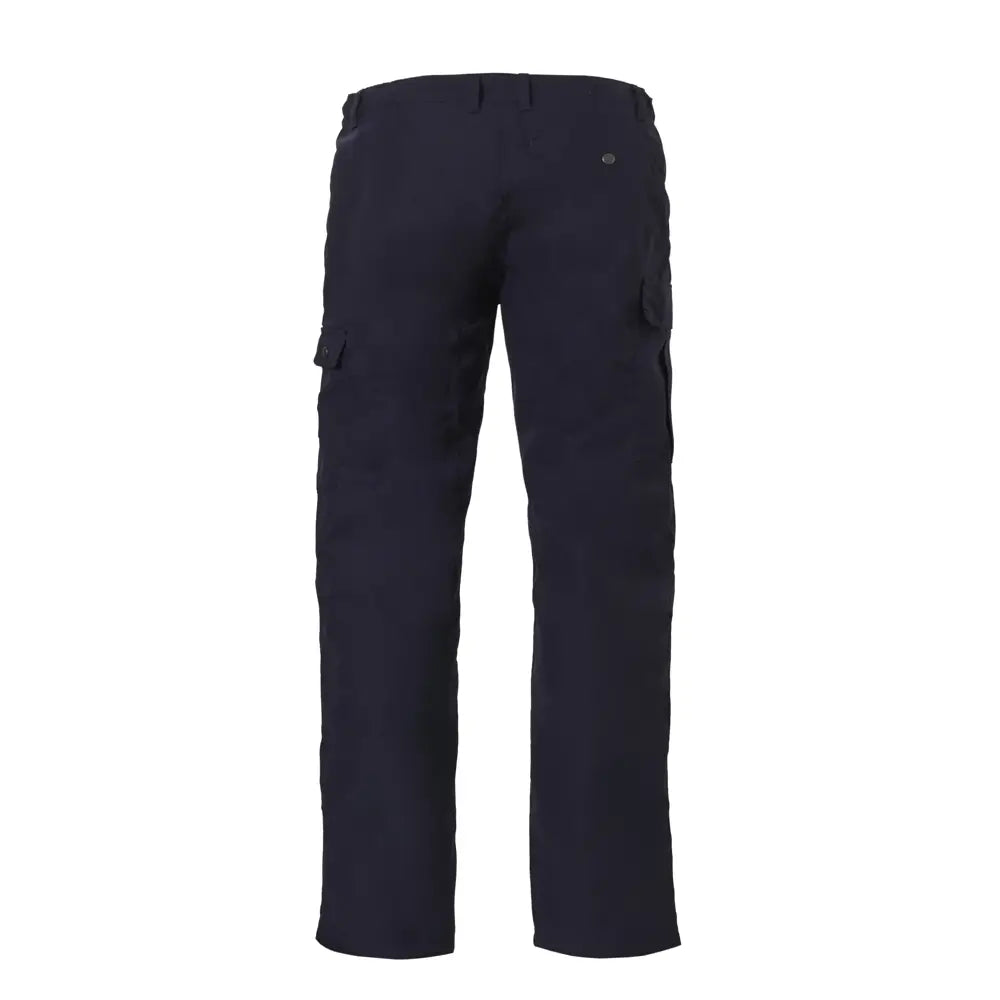
Men's Ergoline Navy Trousers - Multifunctional with Certified Protection
Men's Ergoline Navy Trousers - Multifunctional with Certified Protection
Garantía Rovince
Couldn't load pickup availability
Men's Technical Trousers - Total Protection with Permethrin
Robust trousers for extreme conditions with permanent anti-tick protection. Ideal for hunting, professional hiking, and forestry work. Available in olive.
🛡️ Certified Protection
- Permethrin - NEN-8333 certified biocide
- Efficacy: 70-100 washes (garment lifespan)
- UV50+ - Maximum sun protection
🧵 Fabric
- 65% polyester / 35% cotton
- 220 g/m² - High resistance
- Windproof and quick-drying
🛠️ Features
-
7 pockets:
- 1 for knife
- 3 with flap and button
- Reinforced seams
📐 Sizes
- Men: 46 to 62
- Women: 34 to 48
- Color: Navy
Compartir
Province
-
Permethrin VS IR3535
Permethrin is a biocide that neutralizes ticks and insects on contact, ideal for areas of high infestation. IR3535 is a repellent that prevents bites through a chemical barrier, recommended for areas with a low presence of insects. Both technologies maintain certified effectiveness for over 60 washes, up to 100 washes.
-
Certifications
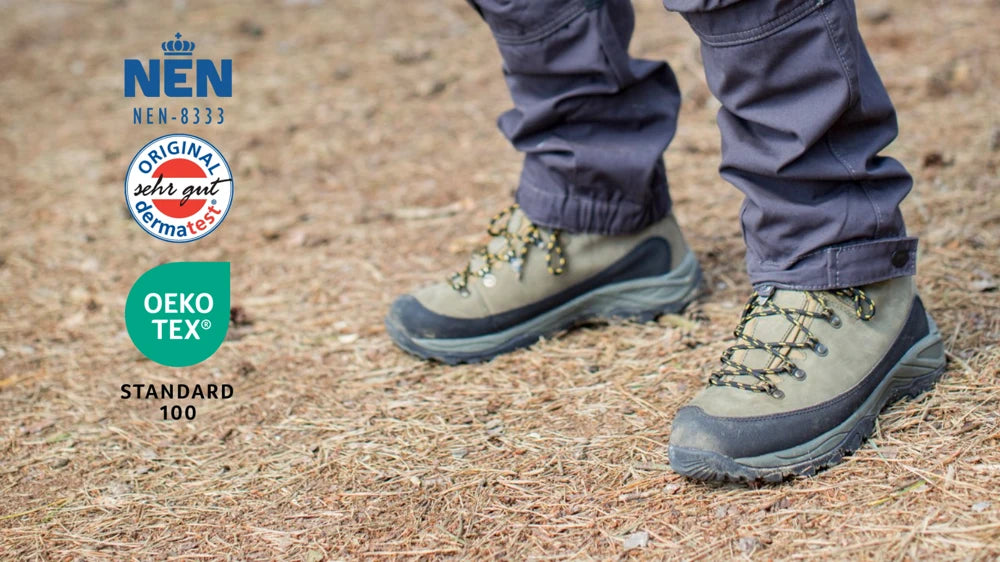
The Rovince collection boasts the highest international certifications that guarantee the effectiveness and safety of our products. Our clothing line complies with the NEN-8333 standard, the most stringent in tick protection, and has achieved a "Very Good" rating in Dermatest tests, as well as OEKO-TEX certification, ensuring the absence of harmful substances for humans.
-
Unique Technology
The Rovince collection is based on a unique impregnation technology that sets it apart from other brands. Instead of impregnating the garments as a whole, we impregnate the yarn itself with a tick and insect repellent or biocide. This ensures that the function remains active for up to 100 washes, providing long-lasting protection.
-
Rovince Adventure
The Rovince Adventure collection has been specially designed for those who enjoy outdoor activities and connecting with nature. Hikers, fishermen, photographers, and outdoor enthusiasts can rely on our product line to enjoy their passions without worries.

Frequently Asked Questions
What's the best way to wash clothes?
The clothing can be washed with other garments. Colored clothing, maximum 60 degrees. However, to preserve the clothing, we always recommend 30 to 40 degrees. The duration of the wash cycle also plays a role; if possible, use the shortest program.
Do not use fabric softener or bleach. Dry cleaning is not permitted.
Do not tumble dry.
How long will the garment retain its effect?
The effect remains active for up to 80 washes. For socks, the duration is slightly shorter, up to 60 washes, due to the material and use.
The rule, of course, is that if the clothing is worn out, its functionality can no longer be guaranteed.
How can clothing be insect repellent?
The clothing is treated with permethrin. This is done before assembly. This way, permethrin is least harmful to humans.
This effect causes the so-called "hot foot effect." This ensures that, upon contact with our clothing, a tick is almost immediately paralyzed and falls off.
Is permethrin not harmful to humans?
Permethrin can be harmful to humans, but not in the amounts that are processed in our clothing. Of course, our amount complies with WHO guidelines.
In comparison, our clothing is only harmful if you wear a complete set (socks, trousers, blouse) 60 hours a day.
Compare it to alcohol. If you drink a glass of wine a day, it won't harm you, but if you drink one or two bottles a day, there is a long-term health risk.
Utexbel Copolymer Technology
The active ingredient, permethrin, is bound to a copolymer (mainly acrylate and silicone elastomer [polysiloxanes]). This combination ensures a perfect balance between durability (wash resistance) and bioactivity (thanks to silicone elastomers, permethrin can diffuse gradually and sustainably to the exterior).
Rovince does not use monomer in clothing. A monomeric technique only guarantees wash resistance but prevents the constant availability of the active ingredient permethrin on the coating surface. Monomer applications indicate the correct amount of permethrin but lack the necessary bioavailability (the permethrin is encapsulated, so insects are barely affected). Result: no effect. The effect is expressed in the product's bioactivity.
Amount of P(permethrin)?
Experimentally, 1250 mg/m² was established as the ideal amount: enough to keep insects away, but without exceeding the limit that could cause problems for the user. These limits were established by the United States Army in the 1980s and, since then, have been globally accepted as a common standard. The limit value was also established here: once the lower limit of 200 mg is reached, the garment must be replaced.
What are the washing instructions?
The cut-off value of 200mg is reached after 50 to 100 washes (according to lab tests).
However, Rovince in its pure form (without water repellency or other additions) lasts between 75 and 100 washes. In practice, this usually means that the finish lasts as long as the garment itself. Once the garment wears out, the finish becomes ineffective.
Rovince clothing can be washed with other clothes. Wash program up to 60 degrees for colored laundry. Fabric softeners and chlorine bleach are strongly discouraged. Dry cleaning is not allowed, as the solvents used (per, tri, etc.) attack the copolymer.
Please note: do not use tumble dryers.
What is permethrin?
A synthetic pyrethroid, a natural insecticide found in chrysanthemums.
History of permethrin
Permethrin has been used as a crop protection agent since the 1960s, including in cotton cultivation. However, this variant typically has a cis/trans ratio of 60/40.
Explanation of the cis and trans ratio: cis-permethrin has a more ephemeral action, but is more aggressive than trans-permethrin.
Rovince clothing only uses 25/75 Cis/trans. This permethrin variant is long-lasting and less aggressive.
ADI (Acceptable Daily Intake)
As with any product (alcohol, nicotine, dioxins, etc.), the WHO has set limits that cannot be exceeded (Acceptable Daily Intake). Long-term usage tests conducted with the German army, across two climatic zones (Afghanistan and Europe), and hundreds of test subjects of different skin colors and genders, showed, through an analysis of dermal absorption (absorption of permethrin through the skin), that the measured values were five times lower than the ADI (with exposure of at least 12 hours a day).
Rovince uses approximately 1250-1300 milligrams/m² of cis/trans permethrin, depending on the base fabric. This dose has a minimal effect on the human body. A full uniform (trousers and shirt) releases 5 micrograms/kg of body weight of permethrin per day. This represents a factor of 5 below the ADI (Acceptable Daily Intake) of the WHO standard. The standard is 25 micrograms/kg of body weight per day.
In summary: one would have to wear the complete Rovince uniform 60 hours a day to meet the WHO standard (ADI).
Permethrin is dermally absorbed into the endocrine system, after which it is largely excreted in the urine. Only a small residual fraction leaves the body via fecal matter. Based on these measurements, the treated substance was released for daily use. The negative effects of using the substance were minimal and not as severe (observed effects: slight itching and irritation) as to outweigh the benefits (protection against ticks, among others).
Scientific articles are available for consultation in our customer service department.
What washing instructions apply to critical target groups (pregnant women and children)?
Permethrin-treated clothing is not recommended for pregnant women. There is no scientific basis for drawing concrete conclusions.
The U.S. Army allows its soldiers to wear untreated clothing during pregnancy (at their own risk of contracting Lyme disease, malaria, etc.).
What is DEET?
It is an insecticide with a short-term defensive function (repellent). DEET is not strictly speaking an insecticide, but a repellent. Depending on the dosage, DEET has a short-term effect, lasting 4 to 8 hours after application. The product is usually found in creams and sprays. Its application is the ideal complement for skin protection with permethrin-treated clothing, even in tropical climates.
What is Icaridin?
Icaridin is an active ingredient in insect repellents that offers an effective and safe alternative to DEET. Unlike DEET, icaridin provides longer-lasting protection of up to 8 hours against mosquitoes, ticks, and other insects.
Derived from pepper, icaridin is considered safer, especially for children and pregnant women. It is less irritating to the skin and more environmentally friendly than traditional DEET.
What effect does the treatment have on a tick?
Since permethrin is a contact insecticide, it produces a hot foot effect on insects, causing them to leave the treated fabric as quickly as possible. If the insect is forced to remain on the treated fabric under laboratory conditions (WHO test), confusion and re-biting will occur after a short time, followed by death. This time depends mainly on the quantity and bioactivity of the permethrin, the active substance available. Not only the quantity (ideally around 1300 mg/m²) is important, but also the bioactivity (the effective availability of permethrin on the treated surface). If permethrin is not processed correctly in clothing, it will have no effect on insects due to a lack of bioactivity.
Which insects?
As it is a contact insecticide, it only works if there is effective direct contact between the insect and the permethrin for a certain period of time. The smaller the insect and the larger (= relative) the contact surface between the insect and the active substance permethrin, the greater the effect of the clothing.
A bee is too large and heavy, and has too few contact points (legs) to be mortally affected. A tick, on the other hand, has a large contact surface, which makes the effect almost direct/almost instantaneous.
Therefore, permethrin works excellently against ants, ticks, fleas, lice, mosquitoes, sandflies – in short, small insects. Larger insects (horseflies, bees, etc.) can also be affected, but then the dose must be increased, which is not suitable for clothing due to a potentially too high ADI/permissible quantity for human health.
The active ingredient (cis/trans permethrin) is insufficiently present in Rovince clothing and is so deeply embedded in the fibers that it therefore has no negative effects on insects the size of bees and horseflies.
Is it for use on animals?
Permethrin is also frequently used in veterinary medicine to protect dogs from ticks and fleas. Cats are very sensitive to permethrin.
What influence does sunlight have?
Negative effects of UV radiation that could reduce the effectiveness of Rovince clothing have not yet been measured and/or determined.
How to recycle?
Rovince's used clothing is best collected with household waste and then incinerated according to the procedure. It does not release toxic compounds.
Waste baths from Utexbel's production process are collected and incinerated by a certified recycling company.
What is the burden on the aquatic environment?
There is no direct danger to the aquatic environment. The minimal dose discharged with the wastewater into the sewage system is rapidly diluted and neutralized by bacteria at the bottom of rivers and streams. After a few days, it disappears completely. Rovince clothing can be washed at home without any problem.
On the other hand, pure permethrin should not enter nature. For this reason, the industrial treatment at Utexbel is carried out in a completely closed circuit.
Analyses carried out after spraying permethrin from airplanes over large areas of Canada (mosquito plague) showed that residues in rivers had no detrimental effects on fish. Crustaceans and eels store permethrin in their tissues for a longer period, but even in this case, no causal mortality was detected.
Therefore, it is safe to wade through a stream with treated Rovince pants without negatively affecting the environment.
Rovince clothing has nothing to do with Nefast. Nefasts are so-called neonicotinoids, as Bayer markets them for irrigating rapeseed fields.
Interested in larger quantities of Rovince Aventura? Complete this form for tailored solutions. As a company or club, we will analyze your needs for a customized proposal. Fill out the form and our team will contact you to work together.